
What would you like to see?
We offer tailor-made routes that pass through different spots in La Rioja.
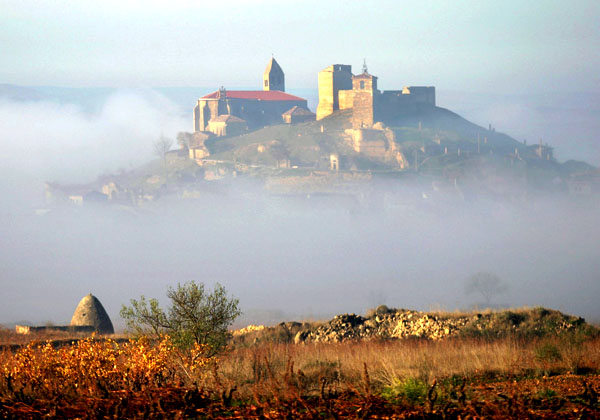
Medieval villages and the Museum of Wine Culture
Haro, Briones, San Vicente and the Vivanco Museum of Wine Culture combine the beauty of the villages of La Rioja with the history and culture of wine.
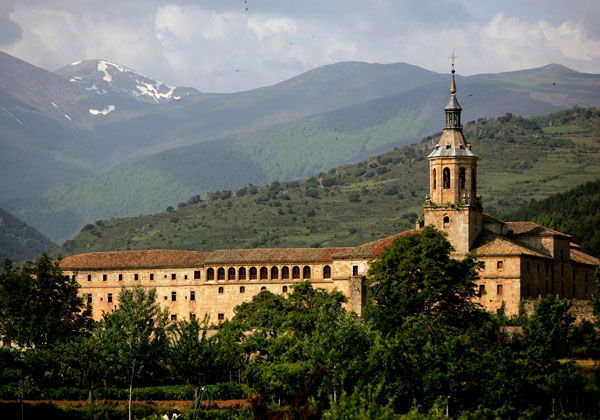
The Monasteries of Suso and Yuso at San Millán de la Cogolla
Declared World Heritage in 1997 by UNESCO, they are considered to be the cradle of the Spanish language and are a must-see in one of the most beautiful valleys in La Rioja.
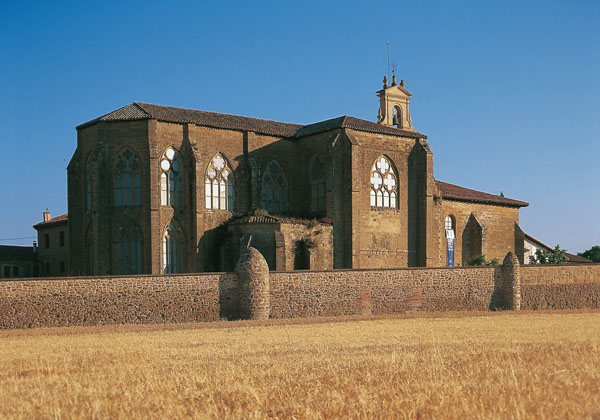
Santo Domingo de la Calzada and the Abbey Monastery in Cañas
Santo Domingo de la Calzada is a town founded by the Saint himself nine centuries ago, to improve the Way of St. James (Camino de Santiago) and care for the pilgrims. Only a few kilometres away is the Cistercian Abbey Monastery in Cañas, which stands out because of its light and austerity.
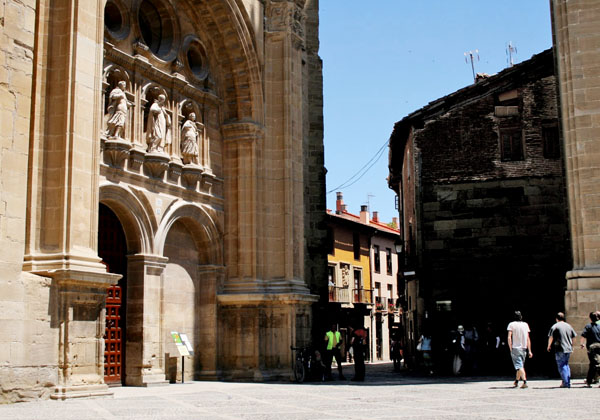
The Way of St. James in La Rioja
Nájera, the capital of the kingdom with the same name, and Santo Domingo de la Calzada are key stages of the Way of St. James. Visitors will be fascinated by the history and legends they will find hidden behind the walls.
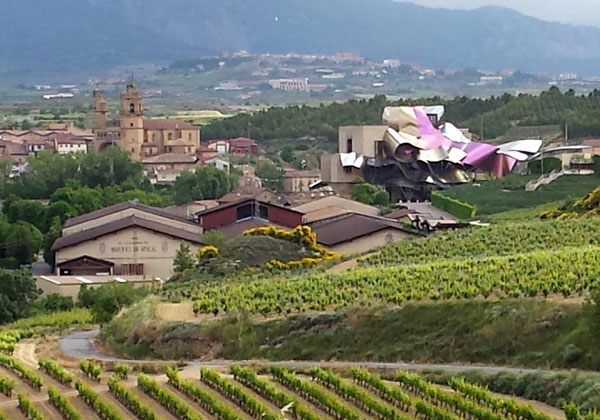
Rioja Alavesa: Laguardia and Elciego
Laguardia is a fortified medieval village from where it is possible to glimpse five provinces. Elciego is a lovely village with a long viticultural tradition; one of its outstanding features is the hotel designed by Frank Gehry for the winery Herederos del Marqués de Riscal.
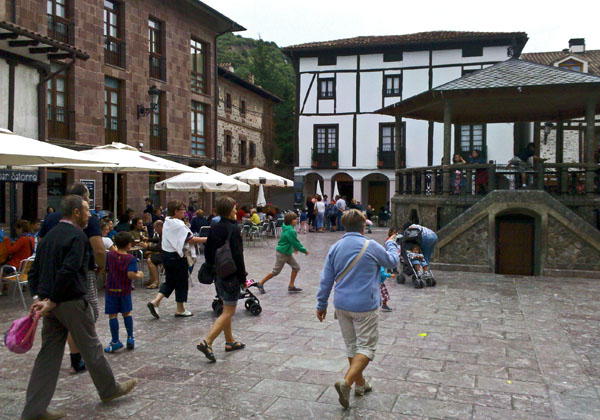
Ezcaray and Santo Domingo
Santo Domingo de la Calzada and its cathedral make up the nerve centre of the Way of St. James in La Rioja. Nearby is Ezcaray, a mountain village well-known for its ski resort and Echaurren, a Rioja restaurant with two Michelin stars.
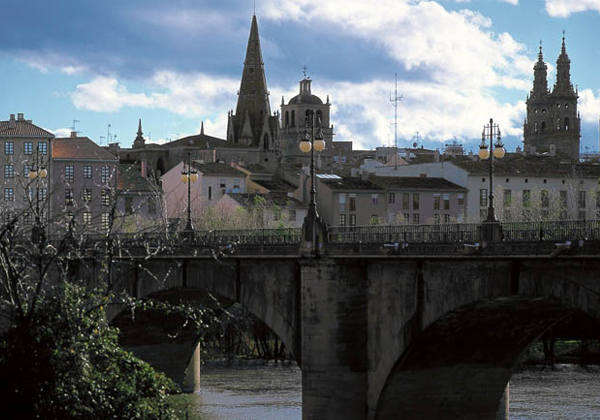
Do you want to visit Logroño?
If you come to La Rioja you can’t go without visiting its capital: Logroño.
Standing on the banks of the River Ebro with the Way of St. James crossing through, Logroño has over nine centuries of history. Riojatrek organises guided routes around Logroño that last about two hours where guides explain the history of the city and take visitors to see the buildings and most emblematic places.
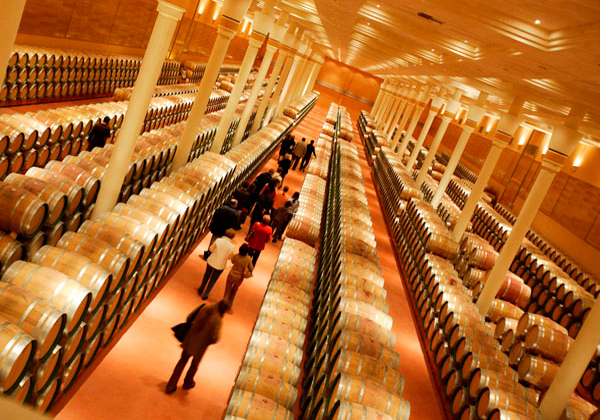
Rioja winery tour
If you come to La Rioja attracted by the wine, you’ll want to visit its wineries.
There are hundreds of wineries open to visitors scattered around the towns and villages of the Ebro valley. In Riojatrek we have over 15 years of experience showing people around wineries and offering detailed explanations of the winemaking process. If you would like to learn everything about this world, book our Rioja winery tour and allow yourself to be guided by our specialists.
Book the activity
If you want to do the activity you need to book in advance.
You can either phone Riojatrek on (+34) 941 587 354 or (+34) 679 010 804, or fill in the form below and we will contact you:
FAQ
How long does the tour last?
There are usually two different tours to choose from:
- Half day: A guided tour lasting four hours during which we’ll focus on whatever you would like to see.
- Full day: Eight hours of activity and halfway through the day we’ll stop for lunch and enjoy traditional dishes from the region.
Because the activities are personalised, you can always add extra hours to the tours.
What am I going to visit?
We can take you wherever you want (wineries, medieval villages, monasteries, cathedrals, etc.) within the autonomous region of La Rioja or in Rioja Alavesa. We design the tour to suit your interests. Please ask us for information!
Where will we have lunch?
Wherever you prefer. We can either have lunch in one of the region’s traditional restaurants or eat tapas in a local bar. We can go to Calle Laurel, one of Logroño’s most well-known streets, or we can discover other tapas areas in Haro or Laguardia.
Will we be with other people?
The tour guide service is exclusive; therefore there will be nobody else with you and you’ll be able to visit whatever takes your fancy.
The activities when groups are formed with other people are:
- the Wine Tour Workshop (maximum 15 people)
- the Wednesday Tours (maximum 8 people) and
- the wine tasting courses (maximum 20 people)
Will we be picked up from the hotel?
Yes, as long as the hotel is in La Rioja or Rioja Alavesa, we pick you up and take you back at the end.
If you are staying in places such as San Sebastián or Bilbao, we can arrange for you to be driven to La Rioja. Please ask us for a quote!
Does the guide have lunch with the group?
Depending on the type of group, the guide usually has lunch with them. In the event the guide has lunch on her own, her meal allowance is added to the quote.